Where do swans nest?
Swans · Cygnus olor
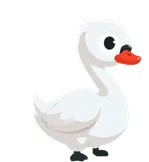
Mute swans nest on the ground right at the water’s edge, among reeds, on a bank or on a small island, on rivers, canals, lakes and park ponds. The nest is a huge mound of reeds, rushes and other plants that the pair builds together. Eggs are laid from March to May, and the cygnets hatch after about five weeks.
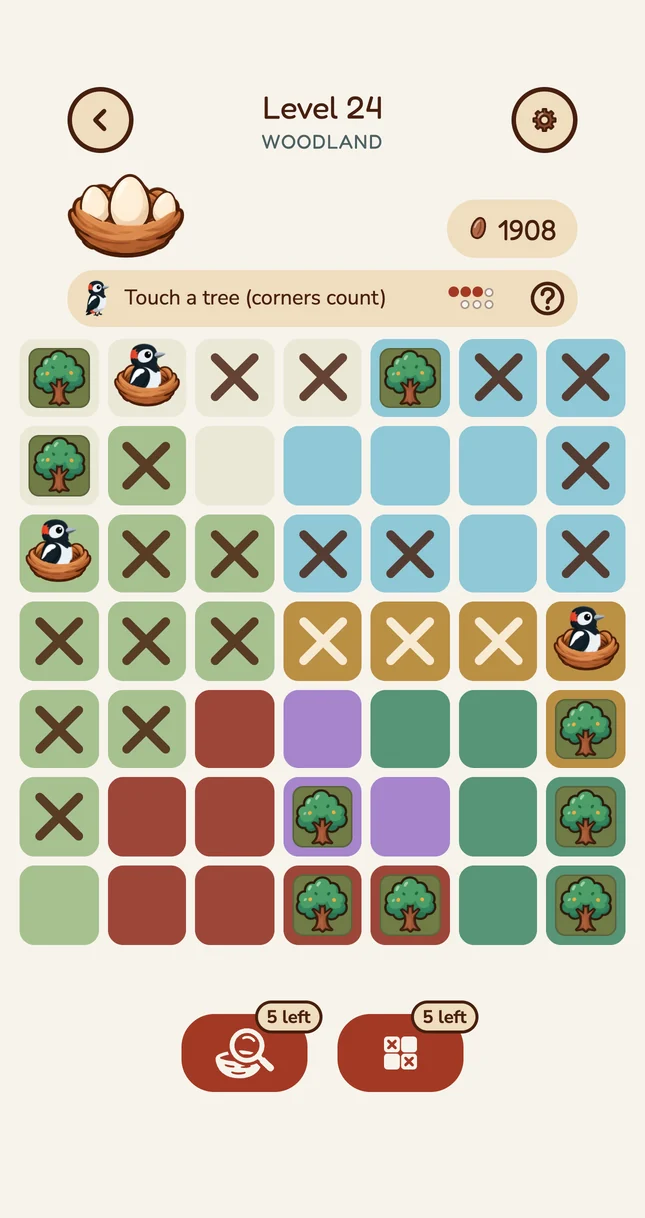
Nyth turns this into a puzzle. Play a level

- Where
- On the ground at the water’s edge, among reeds or on islands
- Nest
- A big mound of reeds and plants, built by both birds
- When
- First eggs March to May, usually mid-April
- Eggs
- Usually 4 to 7, about 5 to 6 weeks of sitting
- Broods
- One
- Fledging
- About 4 to 5 months after hatching
- Pairs
- Usually together year after year
Where swans nest
The swan most of us know, the big white one with the orange bill, is the mute swan, and it nests in full view. Its nest is on the ground beside the water: among reeds, on a bank, or best of all on a little island where foxes cannot easily reach it. Slow rivers, canals, gravel pits and town park lakes all have them.
A swan does not need to hide. It is big enough to defend the nest itself, and anyone who has walked past a nesting swan on a towpath knows the cob, the male, takes that job seriously.
What a swan’s nest looks like
Enormous. It is a heap of reeds, rushes, grass and other water plants, often well over a metre across, with a shallow hollow on top for the eggs. The male and female build it together, pulling in whatever is growing nearby. Pairs often come back to the same spot year after year.
When swans nest
Mute swans live here all year and start early. First eggs can go in from March, most often around mid-April. There are usually four to seven big, pale eggs. The pen, the female, does most of the sitting while the cob stands guard, and the eggs take about five to six weeks to hatch.
The cygnets are grey and fluffy and leave the nest soon after hatching, sometimes riding on a parent’s back. They take a long time to grow up, around four to five months before they can fly, which is why you see swan families together right through the summer and into autumn.
How to help swans
Swans are doing well. They recovered strongly after lead fishing weights were banned in 1987. A few things still help:
- Give nests a wide berth. Swans nest in plain view, which makes them easy to disturb. Keep dogs on a lead near a nest.
- Take your fishing line home. Discarded line and hooks are one of the commonest ways swans get hurt.
- Call a rescue for an injured swan rather than trying to handle one yourself.
Checked against: RSPB: Mute swan, BTO BirdFacts: Mute swan, The Royal Family: Swans. Last checked 8 November 2026.
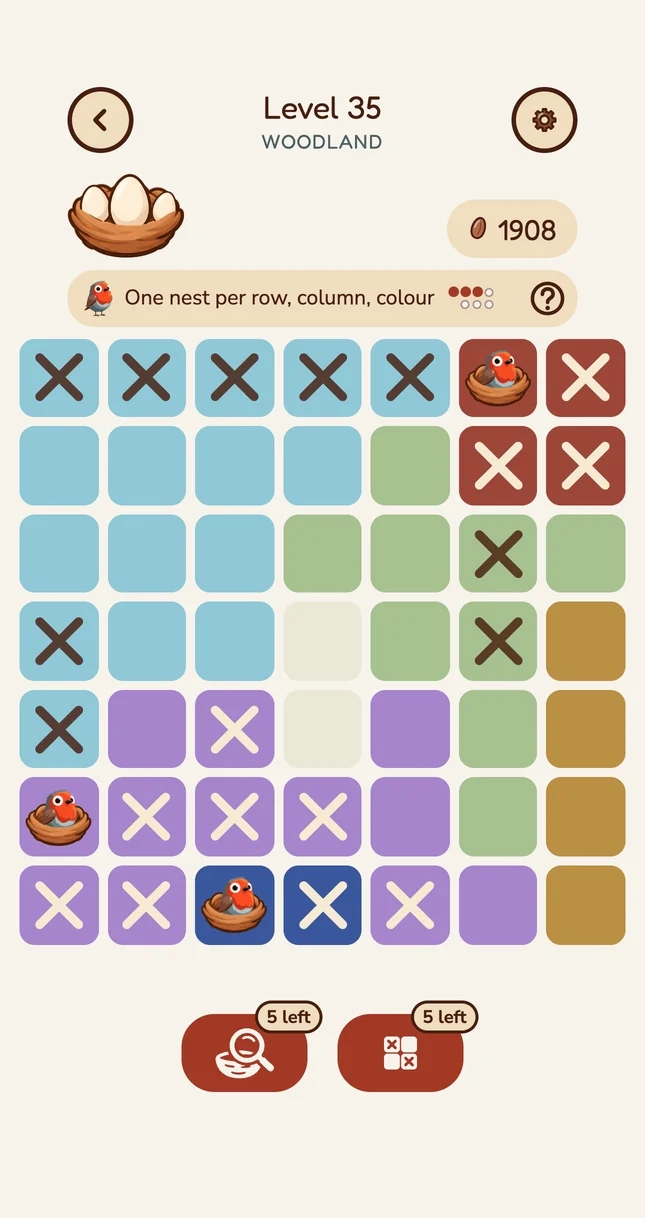
Your turn: find the robins a nest
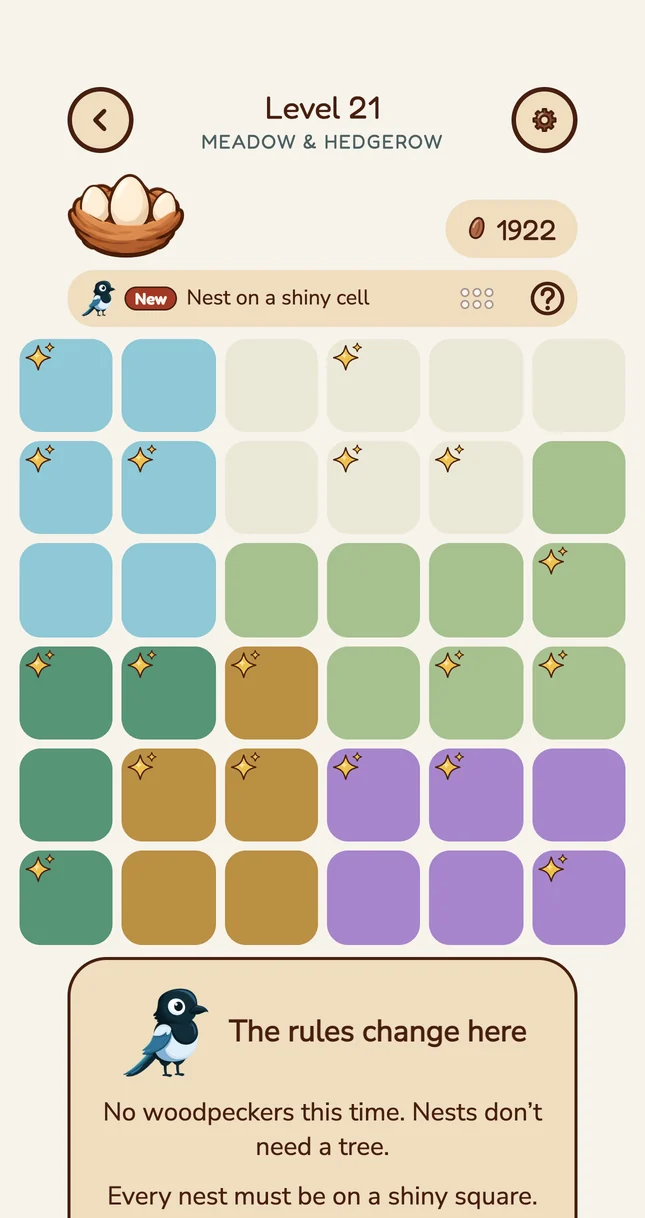
One nest in every row, every column and every colour, and no two nests touching, not even at a corner. Tap a square once to cross it off. Double tap to place a nest.
Every nest found
Those are the robin’s first three levels. The game has 1,000, and nineteen more birds.
On Android? Leave your email to hear when it is out there.
I only email about my games. Unsubscribe any time. Privacy policy
Questions
Does the King own all the swans?
No. The Crown can claim unmarked mute swans on open water, but in practice that right is used only on parts of the Thames, where the swans are shared with two livery companies and counted each July in Swan Upping. Everywhere else, wild swans are protected by wildlife law like any other bird.
When do swans lay eggs?
From March to May, most often around mid-April. The eggs hatch after about five to six weeks.
Do swans mate for life?
Usually they stay together for many years, but a pair can split, and a bird that loses its mate will often find another.
Do swans use the same nest every year?
They often nest in the same place, rebuilding the mound each spring.
Is it illegal to disturb a swan’s nest?
It is illegal to take, damage or destroy any wild bird’s nest or eggs while it is in use, and mute swans are no exception.